Best Google Ads MCP Servers
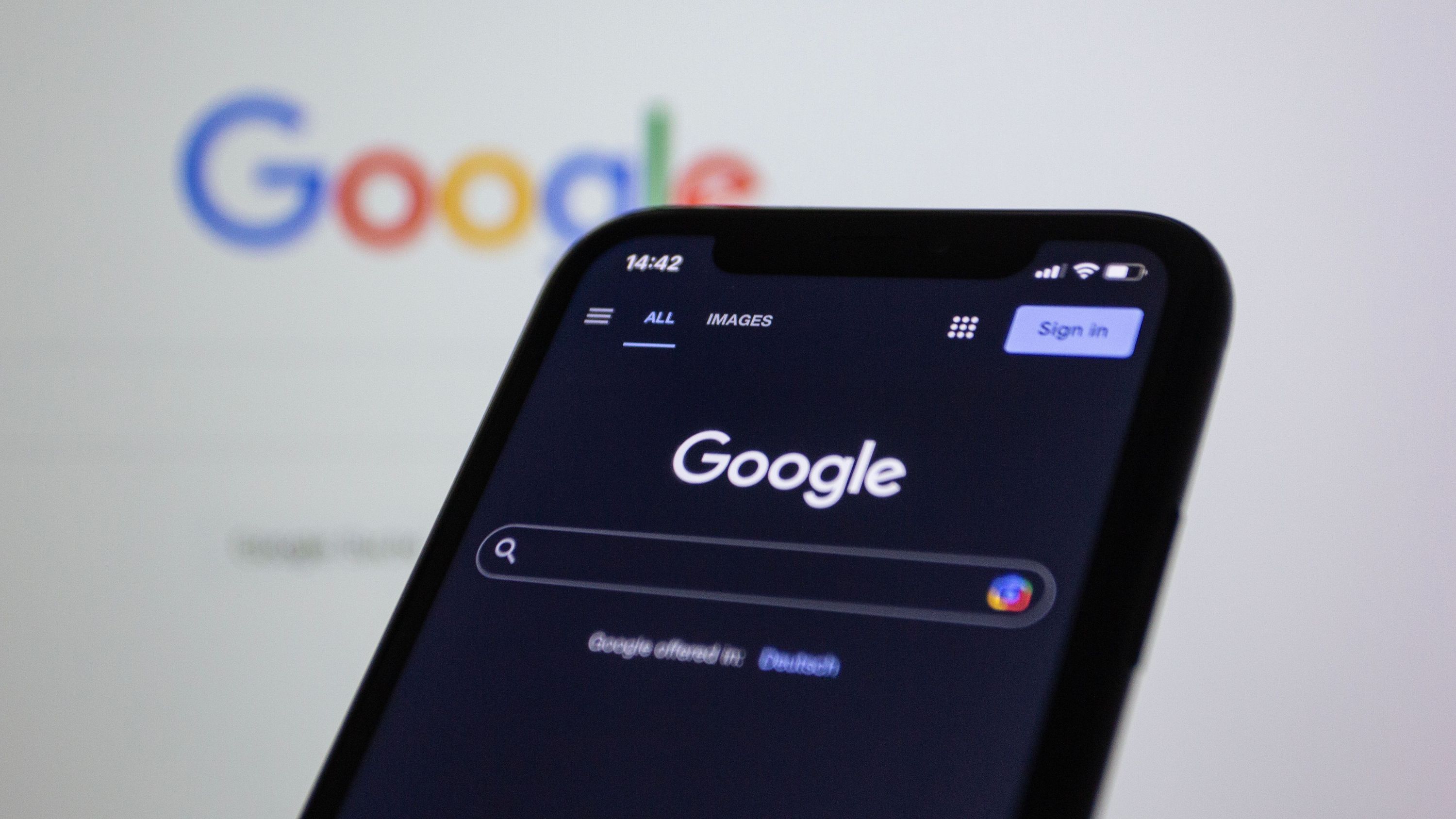
Google Ads MCP servers split into two categories: those that can manage your campaigns and those that can only report on them. Understanding this distinction is critical before connecting any AI tool to your ad accounts. The Model Context Protocol (MCP) was introduced by Anthropic in November 2024 as an open standard for connecting AI assistants to external tools and data sources, and the ecosystem of advertising-focused servers has expanded rapidly since.
For marketing teams running paid campaigns, the right MCP server unlocks the ability to query performance data, adjust budgets, and manage campaigns directly through AI assistants like Claude. When paired with Flint's MCP integration for landing page creation, you can coordinate Google Ads analysis and landing page work from the same MCP-compatible AI interface.
We evaluated 15+ MCP servers based on write access, setup complexity, safety mechanisms, platform coverage, and trust factors. Here are the best options for connecting AI to your Google Ads campaigns.
Key Takeaways
- Write access is the primary differentiator. Many Google Ads MCP options are read-only, including Google's official server, meaning they can pull reports but cannot create or modify campaigns. Others expose write actions.
- Google's official server is free but limited. It is open source and gives direct GAQL access for reporting, but its current release is read-only and cannot make changes to your account.
- Safety mechanisms matter. Look for draft-first approval, paused-by-default campaigns, or explicit approval gates before changes go live.
- Hosting affects setup effort. Hosted MCP services generally reduce setup compared with self-hosting, although actual setup time varies by account permissions and AI client.
- Multi-platform coverage varies widely. Some servers focus only on Google Ads, while others connect several ad platforms through a single connection.
Why Google Ads MCP Servers Matter
MCP servers bridge the gap between AI assistants and your advertising data. Instead of manually pulling reports or navigating the Google Ads interface, you can ask Claude or other AI tools to analyze performance, identify trends, and even make optimizations.
The challenge: many MCP servers only provide read access. They can tell you what's happening in your campaigns, but they cannot create new ads, adjust bids, or pause underperformers. For teams wanting AI-assisted campaign management, write access becomes essential.
Safety is equally important. Giving an AI assistant unrestricted write access to accounts spending thousands monthly creates obvious risks. Strong options implement safeguards like draft modes, approval workflows, and spend limits.
1. Google's Official Google Ads MCP Server
Best For: Teams that need free, direct GAQL reporting access and have technical resources to self-host
Pricing: Free and open source (self-hosting infrastructure costs may apply)
Setup: Self-hosted; requires Python, Google Cloud and API configuration, OAuth credentials, and Google Ads API access
Google's first-party server gives AI assistants direct read access to the Google Ads API. Google's developer integration guide describes the current release as read-only, and the code is available in the official GitHub repository.
Key Features
- Three core tools: search, list\_accessible\_customers, get\_resource\_metadata
- Full GAQL query support for custom reporting
- A Google Ads developer token is required under the current documented setup, with at least Explorer access for production queries
Why It Made the List
If your primary need is pulling performance data into AI workflows, the official server offers first-party GAQL access at no software cost. However, the read-only limitation means you cannot use it to manage campaigns.
2. AdKit
Best For: Agencies and teams that want multi-platform write access with a draft-first review step
Pricing: Check AdKit's current pricing page
Setup: Hosted; about 2 minutes end-to-end, according to AdKit
AdKit provides write access with a draft-first approval system. Campaign changes are saved as drafts, and nothing goes live until you explicitly approve it, which helps keep AI-generated mistakes out of your live campaigns.
Key Features
- Write access with draft-first safety guardrails
- 7 ad platforms (Google, Meta, TikTok, Reddit, X, LinkedIn, Microsoft)
- AI creative generation and competitor ad research included
Why It Made the List
The combination of multi-platform coverage and a draft-first workflow, in which changes require approval before publication, makes AdKit a strong choice for agencies and teams managing significant ad spend.
3. Ryze AI
Best For: Teams that want a fast hosted OAuth setup with read and approval-gated write tools
Pricing: Google Ads MCP connection is free; Paid Ads Autopilot is $89/month
Setup: Hosted; about 1 to 2 minutes, according to Ryze's setup guide
Ryze offers a hosted Google Ads MCP connection built around OAuth, so you can start running live queries shortly after connecting your account. Beyond basic MCP functionality, the company also sells a separate always-on optimization product called Paid Ads Autopilot.
Key Features
- OAuth-based hosted setup
- 14 Google Ads tools, including 8 read tools and 6 approval-gated write tools
- Optional paid optimization layer through Paid Ads Autopilot
Why It Made the List
Time-to-first-query matters for teams evaluating multiple options. Ryze removes technical barriers while providing both read and write capabilities.
4. Markifact
Best For: Teams with compliance requirements that want human approval in front of every write action
Pricing: Check Markifact's current pricing page
Setup: Hosted
Markifact places human approval in front of write actions before they go live. This makes it a good fit for teams with compliance requirements or those cautious about AI-managed campaigns.
Key Features
- 60+ Google Ads tools covering GAQL reporting, campaign creation, ads, Performance Max, keywords, budgets, audiences, experiments, and recommendations
- Context-efficient architecture (10 top-level tools, operations loaded on demand)
- 14 ad platforms plus analytics, data, and workspace integrations on the same connection
Why It Made the List
With approval required before changes go live, Markifact gives risk-averse organizations a high degree of control over AI-driven account changes.
5. Adspirer
Best For: Teams using several AI clients that want one ad connection across six platforms
Pricing: Free Forever plan (15 tasks/month); paid plans start at $40/month billed annually
Setup: Hosted
Adspirer supports a wide range of AI clients, including ChatGPT, Cursor, Codex, Windsurf, and Gemini CLI. This flexibility matters for teams using multiple AI tools.
Key Features
- 6 ad platforms (Google, Meta, Amazon, TikTok, LinkedIn, ChatGPT Ads)
- All six platforms included even on the free tier
- Tiered task-based plans from Free Forever up to custom Enterprise
Why It Made the List
If your AI stack extends beyond Claude, Adspirer helps keep access consistent across your tools.
6. Pipeboard
Best For: Technical teams that want a broad self-hostable toolset with source-available licensing
Pricing: Check Pipeboard's current pricing page
Setup: Self-hosted or hosted, depending on deployment
Pipeboard is a community MCP project with extensive Google Ads coverage. Its published MCP code uses the Business Source License 1.1, which converts to Apache 2.0 on January 1, 2029.
Key Features
- 59 Google Ads tools (as of September 2026\) covering campaigns, ad groups, responsive search ads, Performance Max, keywords, GAQL, and assets and extensions
- Campaigns created paused by default
- Generic mutation tool for advanced use cases
Why It Made the List
A large tool count, a defined license path, and ongoing repository activity make Pipeboard worth considering for self-hosted deployments.
7. Synter
Best For: Enterprise advertisers running programmatic and retail media alongside search and social
Pricing: Solo starts at $20/month; Scale is $500/month; custom plans available
Setup: Hosted; under 60 seconds for the MCP configuration and OAuth path, according to Synter
Synter's current product page advertises 27 ad-platform connections, including DSPs, The Trade Desk, and retail media networks that many Google Ads MCP servers do not cover.
Key Features
- 27 advertised ad platforms, including programmatic and retail media
- Approval gates and spend limits on write changes
- Audit trail for all agent actions
Why It Made the List
For enterprise advertisers with complex multi-platform strategies, Synter offers unusually broad channel coverage in a single MCP connection.
8. Windsor.ai
Best For: Compliance-focused teams that want cross-channel reporting with a free starting plan
Pricing: Free forever plan (one data source, one account, one user); paid plans start at $19/month
Setup: Hosted
Operating since 2017 with SOC 2 Type II certification, Windsor.ai offers documented security credentials for teams with strict vendor requirements. The platform connects 350+ data sources beyond advertising.
Key Features
- Ability to take action on Google Ads directly from the chat
- Cross-channel attribution focus
- Free tier available
Why It Made the List
Compliance-focused teams will appreciate Windsor.ai's track record since 2017 and its enterprise security certification.
9. Composio
Best For: Developers building custom campaign management systems
Pricing: Free tier available; check Composio's pricing page for current limits
Setup: Developer-oriented configuration
Composio provides raw mutation tools for developers building bespoke solutions. With a large catalog of toolkits beyond advertising, it functions as integration infrastructure rather than a marketing-specific product.
Key Features
- 9 Google Ads tools, including Mutate Campaigns, Mutate Ad Groups, GAQL search, and audience and customer-list tools
- Toolkits across many non-advertising platforms
- Free tier available
Why It Made the List
Engineers building custom campaign management systems will find the primitive-level access essential.
10. GoMarble
Best For: Teams that want to start with read-only analysis and add approved write actions later
Pricing: Copilot starts at $97/month billed annually; Operator starts at $279/month billed annually
Setup: Hosted
GoMarble includes MCP access in every plan. Its Copilot plan provides read-only MCP access, while the Operator plan adds approved write actions.
Key Features
- Read-only MCP access on the Copilot plan
- Operator plan adds approval-gated write actions
- Dual licensing model (open-source \+ commercial)
Why It Made the List
GoMarble gives teams a clear upgrade path from read-only analysis to approved account changes without switching providers.
Additional Options Worth Considering
- cohnen/mcp-google-ads: A community Google Ads MCP project often used as a starting point for custom development. Check the repository's current activity and maintenance status before relying on it.
- Zapier MCP: Connects AI assistants to the Google Ads actions available in Zapier. Review Zapier's current Google Ads action list to confirm which operations are supported. Best for teams already embedded in the Zapier ecosystem.
- Improvado: Enterprise-grade read-only analytics with weekly MCP action metering. Plans include Free Limited at $0/month (50 MCP actions/week), MCP Only at $100/month (300 MCP actions/week), and custom Advanced and Enterprise tiers.
- Coupler.io: A managed, no-code alternative to self-hosting Google's official server. Its analytical engine runs SQL queries on your Google Ads data to produce answers.
- Flyweel: Read-only by design, with 222 extended metrics across Google, Meta, and TikTok. A fit for teams that only need reporting.
Connecting Google Ads MCP to Your Landing Page Workflow
MCP servers handle campaign management, but conversion happens on your landing pages. Teams running significant Google Ads spend need landing pages that match ad messaging, load fast, and convert visitors.
Flint's MCP integration lets teams create, edit, and publish landing pages through natural conversation in Claude, Claude Code, Codex, and other MCP-compatible tools. Flint captures your site's core design tokens and visual patterns, so new pages stay on brand, and pages can be published on your own domain with your analytics settings configured.
The practical workflow: use a Google Ads MCP server to identify your best-performing ad groups, then use Flint to generate dedicated ad landing pages for each. According to Graphite's case study, Graphite cut CAC in half, saw a 50%+ conversion rate increase in Google Ads, and Flint-built pages influenced more than seven figures of ARR over 10 months. Results like these are specific to Graphite's campaigns.
Final Verdict
Choosing the right Google Ads MCP server depends on three factors: whether you need read-only reporting or full campaign management capabilities, your team's technical resources for setup and maintenance, and your risk tolerance around AI-controlled budget changes.
For most marketing teams, pairing a write-capable hosted server with Flint's page builder creates a more complete workflow. You get campaign management through your AI assistant and conversion-focused landing pages that match your ad messaging, coordinated from the same MCP-compatible AI interface.
The key insight: MCP servers handle the advertising platform side, but landing pages are where conversion happens. Connecting both pieces through AI workflows helps teams move faster from ad insight to live page. That's where Flint's MCP integration delivers value by closing the loop from ad analysis to landing page optimization.
Frequently Asked Questions
What is a Google Ads MCP server?
An MCP (Model Context Protocol) server connects AI assistants like Claude to your Google Ads account. This allows you to query performance data, analyze campaigns, and in some cases create or modify ads through natural language instead of the Google Ads interface.
Can AI tools make changes to my Google Ads campaigns?
Only if you use an MCP server with write access. Google's official server is read-only. Commercial options like AdKit, Ryze, and Markifact provide varying levels of write capability, typically with safety mechanisms like approval workflows or draft modes.
How do MCP servers differ from regular Google Ads integrations?
Traditional integrations require switching between applications or using specific APIs. MCP servers let you interact with Google Ads through AI assistants using conversational language, making campaign management accessible without navigating complex interfaces.
What safety measures should I look for?
Look for draft-first approval (changes saved as drafts before going live), explicit approval gates (human confirmation required), campaigns created paused by default, spend limits, and audit logs. Markifact places human approval in front of write actions, AdKit saves changes as drafts first, and Synter combines approval gates with spend limits.
How can I use Google Ads MCP servers with landing page tools?
Google Ads MCP servers handle campaign management while tools like Flint handle landing page creation. You can use both through Claude to build a connected workflow: analyze campaign performance with your Google Ads MCP, then generate matching landing pages through Flint's MCP connection.